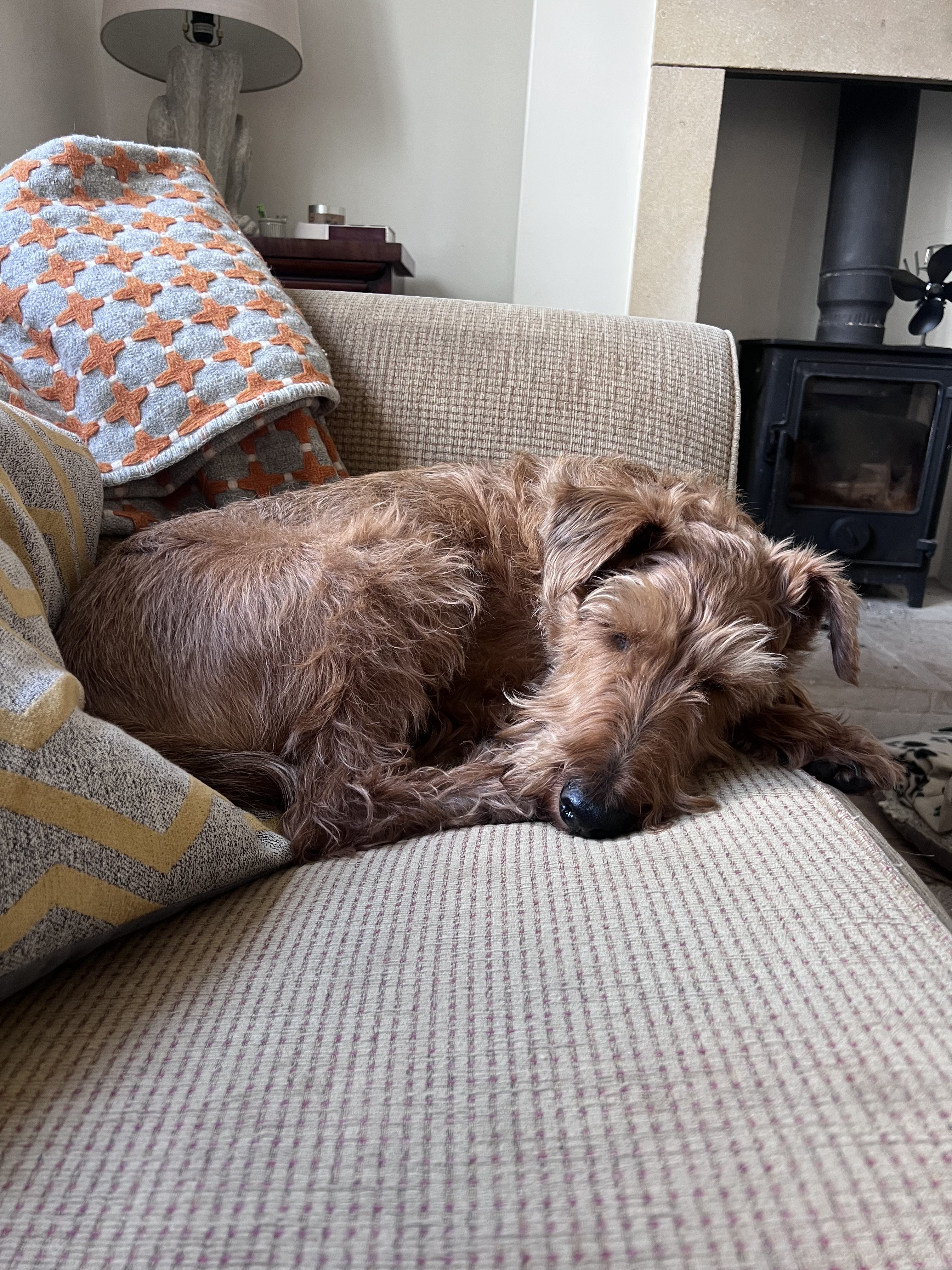

If your dog seems hyper, restless, or just a bit “off,” it might not be a training issue at all…
It could be sleep.
A lot of owners are surprised to learn just how much sleep dogs actually need — and how quickly things can go wrong when they don’t get enough of it.
How Much Sleep Do Dogs Really Need?
Most adult dogs need 12–14 hours of sleep per day (and puppies can need even more — around 18–20 hours!).
That might sound like a lot, but sleep is when your dog:
- Processes everything they’ve experienced
- Recovers physically from exercise
- Regulates their mood and behaviour
Without enough rest, dogs can struggle much like we do when we’re overtired.
Signs Your Dog Isn’t Getting Enough Sleep
Overtired dogs don’t always look sleepy, in fact, it’s often the opposite.
Here are some common signs:
- Zoomies at odd times of day
- Struggling to settle in the evening
- Barking more than usual
- Reactivity on walks
- Seeming “naughty” or not listening
If you’ve ever thought, “Why are they acting like this out of nowhere?” — sleep could be a big factor.
Why Sleep Affects Behaviour So Much
When dogs are overtired, their brains are basically in overdrive.
They can:
- Become more sensitive to noise and movement
- Struggle to focus or respond to commands
- React more quickly to things that wouldn’t normally bother them
It’s very similar to an overtired toddler, everything just feels harder.
Common Reasons Dogs Don’t Get Enough Rest
In busy households especially, it’s easy for dogs to miss out on proper sleep.
Some common causes include:
- Too much stimulation throughout the day
- No clear routine
- Being left too long without the right kind of exercise
- Not having a quiet, safe space to switch off
It’s not just about tiring them out, it’s about balancing activity with proper downtime.
How to Help Your Dog Sleep Better
The good news is, small changes can make a big difference.
Here are a few simple ways to help:
- Stick to a daily routine
- Make sure your dog is getting the right amount of exercise (not too much, not too little)
- Build in calm periods after walks or play
- Create a quiet, comfortable space for them to rest
Structured walks are especially important — they don’t just burn energy, they help your dog feel settled and relaxed afterwards.
Final Thoughts
If your dog is struggling to settle, acting out, or just seems constantly “on the go,” it’s worth looking at their sleep as a starting point.
Often, once dogs are getting the rest they need, everything else becomes easier — for both of you.
Need a Hand?
If your dog finds it hard to switch off or has lots of pent-up energy during the day, regular, structured walks can make a huge difference.
I offer dog walking and house sitting with a focus on keeping dogs calm, fulfilled, and happy — not just exercised.
Feel free to message me to chat about your dog or check availability
Sources: Sleep Foundation, American Kennel Club, veterinary behaviour research


Leave a Reply